
The short answer
An AI cold calling agent dials new prospects and holds the conversation itself, qualifying interest and booking meetings. It pays on B2B lists and consented databases. AI voices count as artificial voices under the TCPA, so cold calls to cell phones and home landlines without prior consent are off the table.
Key takeaways
- Three tools share the name: autonomous agents, rep-assist dialers, and practice bots. Only the agent works a list by itself.
- AI voices are artificial voices under the TCPA, so cold calls to cells and home landlines require prior consent.
- Most B2B telemarketing is exempt from federal do-not-call provisions, which makes business lists the workable cold lane.
- The first ten seconds and objection recovery decide cold results; interrupt any agent mid-sentence before you buy it.
- Pilot on a few hundred records, read transcripts, and cap retries to keep your numbers off spam-likely lists.
Cold calling is the sales job nobody fights to keep, which is why it keeps getting handed to software. An AI cold calling agent is the current version of that handoff: it dials a list of strangers, introduces itself, survives the brush-off, asks qualifying questions, and books a meeting with whoever turns out to be worth one. No rep on the line, no dialing block on anyone's calendar.
Whether you should buy one comes down to two questions vendors answer too quickly. Will people who never asked to hear from you talk to a synthetic voice? And does the law permit an artificial voice on your list in the first place? Both answers turn on the list you plan to dial, so that's where a sane buying decision starts.
What people mean by an AI cold calling agent#
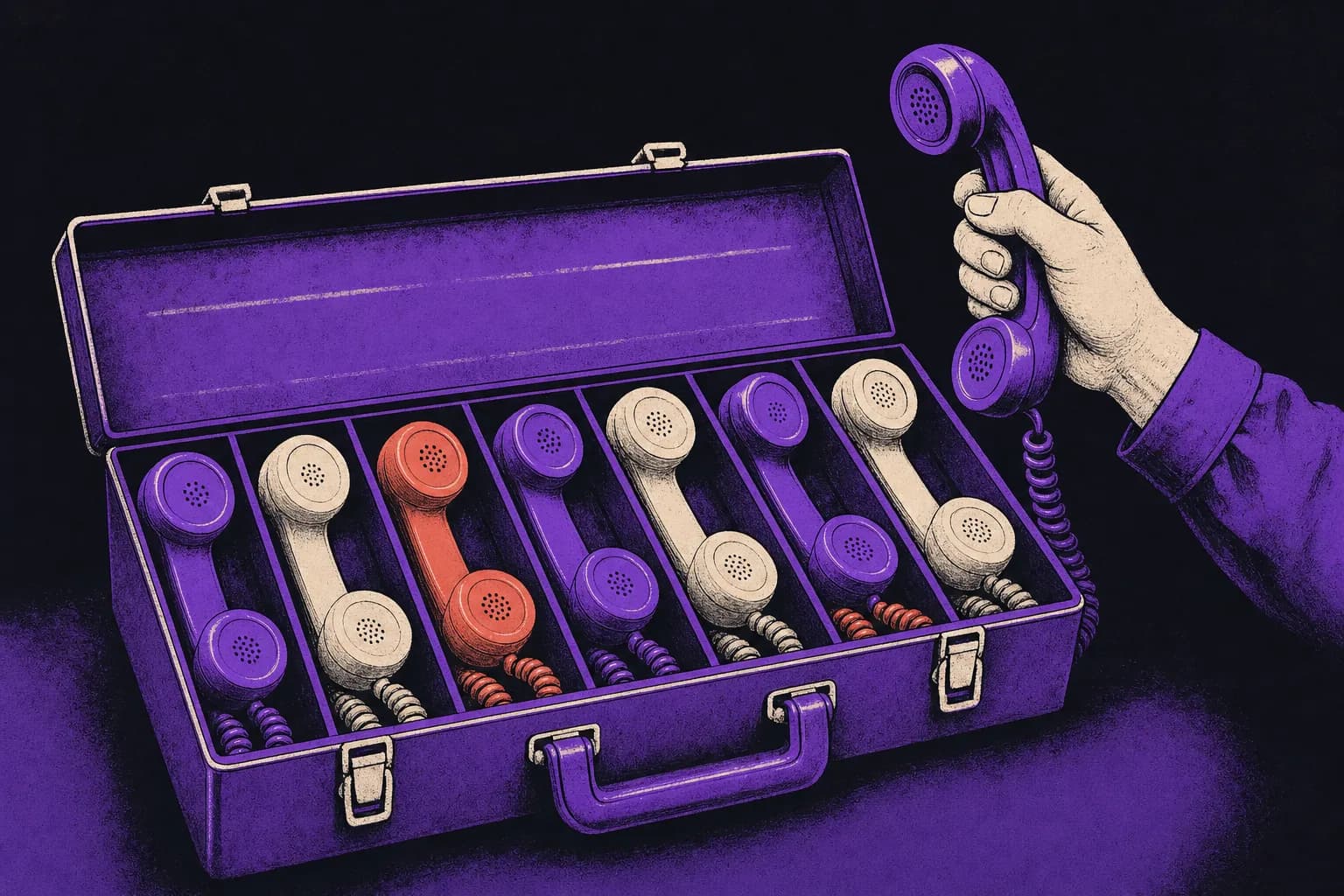
Three different tools get sold under this name, and mixing them up wastes a demo cycle.
| Tool | Who talks to the prospect | What it's for |
|---|---|---|
| AI cold calling agent | The AI, from hello to wrap-up | Working lists no human will ever dial: first touch, qualification, booking |
| AI-assisted calling | A human rep, with AI dialing, coaching, and note-taking around them | Making a staffed SDR team faster |
| Practice bot | The rep, talking to an AI that plays the prospect | Objection drills and onboarding without burning leads |
This guide covers the first kind. Under the hood, an agent runs a loop on every conversational turn: speech recognition hears the prospect, a language model picks the reply, a synthetic voice speaks it. Commercially, the distinction that matters is autonomy. An assisted-calling platform multiplies reps you already pay; an agent works lists you'd otherwise write off. If your reps fill their day with live conversations and your list fits your headcount, assisted calling is the better spend, and our roundup of nine cold calling tools covers both types with published pricing.
Does it work on a genuinely cold list?#
Cold calling has always been a volume game with a psychology problem, and an agent only fixes the volume half. A synthetic voice does nothing to make a stranger more willing to answer an unknown number. What changes is the cost of the attempt: at usage pricing you pay cents for a conversation and nothing for a salary behind the misses, so a list that would take a rep two weeks gets worked in an afternoon.
That reframes what "working" means. A cold program that books one appointment per fifty conversations is a failure at rep economics and can be a reasonable trade at agent economics. The variables that decide it mostly sit outside the AI:
- List fit. An agent calling 500 roofing companies about roofing supplies will beat the same agent calling 5,000 scraped numbers about anything.
- Number reputation. Carriers label high-volume numbers spam-likely, and a flagged number tanks connect rates before a word is spoken.
- Offer specificity. "We help businesses grow" dies on a cold call no matter who says it.
The lanes where cold agents pay are narrower than the marketing suggests. Business-to-business lists are the big one: the audience answers phones during work hours, the legal room is wider (next section), and the gap between "have someone call 800 businesses" and "never get to it" is where most B2B pipeline quietly dies. Your own cold-but-known contacts are the second lane: aged inquiries, dormant accounts, past customers who consented long ago and forgot you. The lane that doesn't pay is the purchased consumer list, and the reason is only partly that consumers hate cold calls. Mostly it's the law.
The law decides which lists you can dial#
The FCC settled the threshold question in February 2024: AI-generated voices are artificial voices under the Telephone Consumer Protection Act. Every rule written for robocalls applies to your agent. From there, what's allowed depends on the kind of number you're dialing.
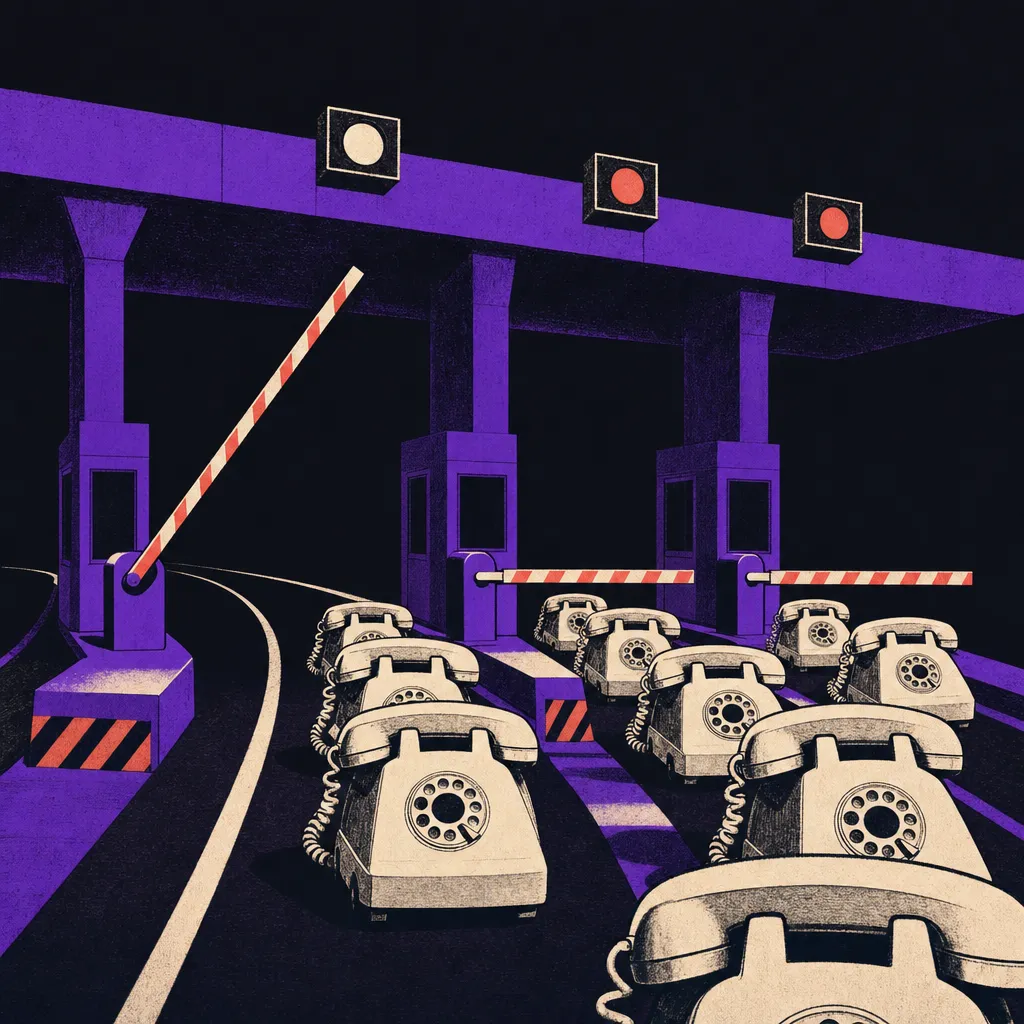
Cell phones are the strictest case. 47 U.S.C. § 227(b)(1)(A) prohibits artificial-voice calls to any cellular number without the called party's prior express consent, and for marketing calls the FCC requires that consent in writing. The statute doesn't care whether the cell belongs to a plumber or a retiree. A purchased list of consumer cells is a statutory-damages generator at up to $1,500 per willful violation, and no agent vendor can fix that for you.
Residential landlines sit under § 227(b)(1)(B), which bars artificial-voice messages to home lines without prior express consent, with narrow exemptions. Practically, the consumer half of the phone book is closed to unsolicited AI calls.
Business landlines are the open lane. The TCPA's artificial-voice prohibitions above attach to cell and residential numbers, and the FTC's Telemarketing Sales Rule exempts most business-to-business calls from its do-not-call provisions (16 CFR 310.6(b)(7); calls selling nondurable office and cleaning supplies are the odd exception written into the rule). The hard part is knowing which numbers are business landlines. List vendors label numbers wrong constantly, and a "business" contact who answers on a cell puts you back under the strict rule, so serious programs scrub against wireless databases before dialing and treat unknowns as cells.
The Do Not Call Registry covers personal numbers. Telemarketing to consumers must scrub against donotcall.gov. B2B calls aren't what the registry was built for, but keep an internal suppression list either way, because "take me off your list" binds you regardless of the registry.
States stack their own rules on top. Several run mini-TCPAs with their own consent standards, calling hours, and AI disclosure requirements, so a multi-state campaign clears the strictest state it touches.
Rezora point of view
None of this is legal advice. The rules turn on who you dial, where they live, and what you're selling, and they carry per-call penalties. Put a telecom attorney between your pilot and your scale-up.
Anatomy of a cold call the agent has to survive#
A cold call is the hardest conversation in outbound, which makes it a stress test for agent quality. The generic mechanics of an AI dial, from triggers through answering-machine detection to CRM writeback, are covered in our AI outbound calling guide. What follows is what cold adds.
The first ten seconds are most of the game. A stranger decides almost immediately whether to keep listening. The opening has to say who's calling, from where, and why this person specifically, and the AI disclosure belongs in it. Agents that bury the disclosure get caught by the third sentence anyway, and the hang-up that follows is angrier.
Objections arrive immediately and out of order. "Not interested," "how did you get my number," and "is this a robot" land before any script reaches its second beat. Here is where prompt-scripted agents fail: a canned branch per objection sounds fine in a demo and collapses when a prospect stacks two objections and interrupts the answer to the first. Interrupt any agent you're evaluating mid-sentence and watch whether it recovers or restarts its paragraph.
Every outcome needs a route. Interested gets a booked slot or a warm transfer while the interest is live; a dedicated AI appointment setter flow handles the calendar half. A no gets recorded along with why. "Take me off your list" gets honored on the spot and written to your suppression list. Wrong numbers get marked, which cleans the list a little on every pass.
Retries have a lower ceiling than warm calling. A no-answer on a warm lead earns several attempts across days. A cold no-answer earns one more, maybe two. Past that you're training carriers to flag your numbers and prospects to report them.
Be the worst prospect you can
Rezora IO runs a live test call in your browser before you've paid anything. Play the prospect who interrupts, stacks objections, and asks if it's a robot, then judge what comes back.
Book a demoA setup that protects your phone numbers#
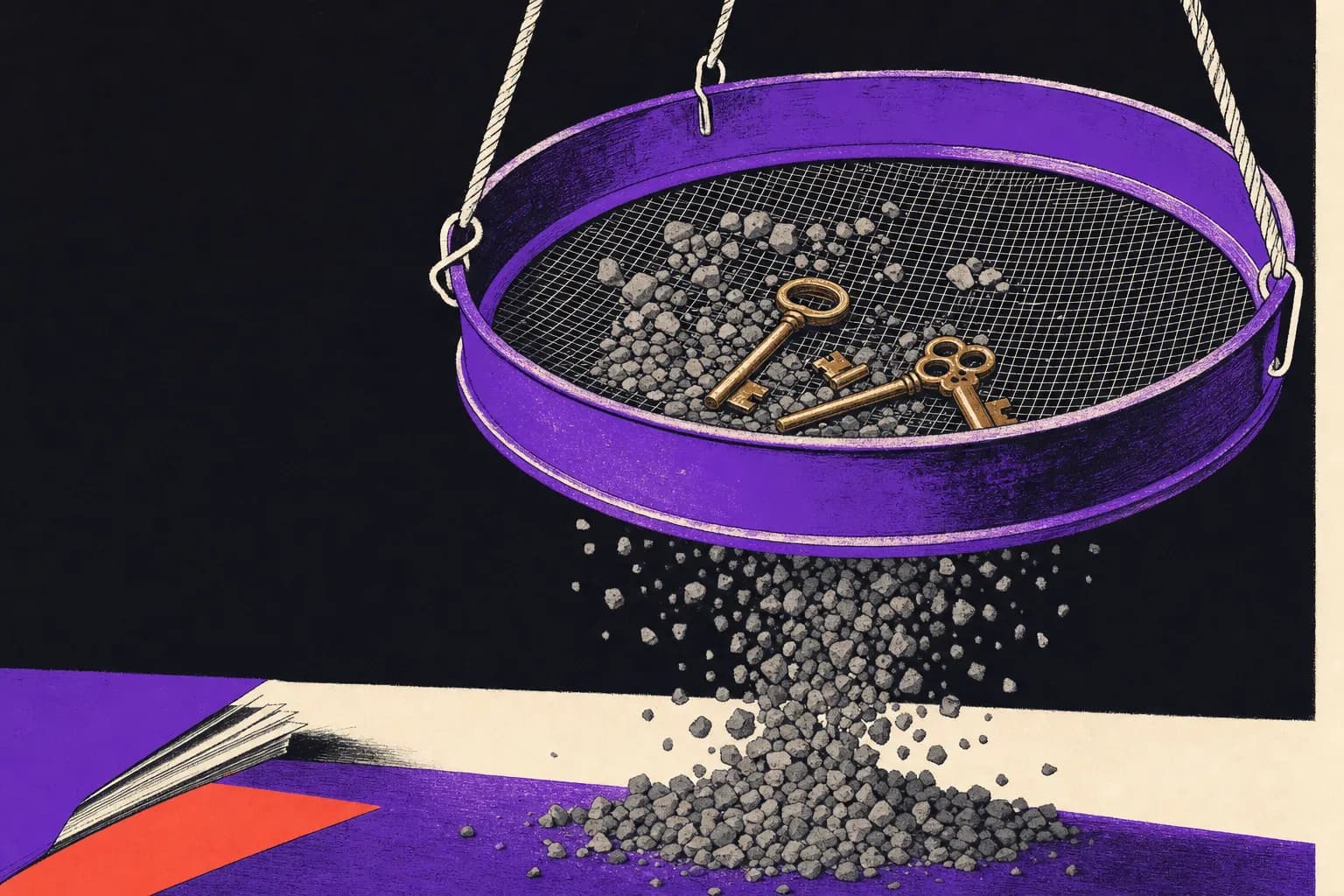
- Prove the list before anything else. Confirm the lane (B2B, or contacts with documented consent), scrub wireless numbers and the DNC registry, and load your suppression list. This step is the compliance program.
- Write the opening for a stranger. Name, company, AI disclosure, and the specific reason for the call inside the first two sentences, then a question so the prospect gets a turn early.
- Wire the outcomes before the first dial. CRM connection for writeback, a warm-transfer target during business hours, calendar booking, opt-out propagation. General connectors like Zapier, HubSpot, and GoHighLevel cover most stacks without engineering.
- Pilot on a slice and read the transcripts. A few hundred records shows you where hang-ups cluster. Early hang-ups point at the opening; late hang-ups usually point at the offer.
- Scale with number hygiene. Spread volume across numbers, watch for spam-likely labeling, keep the retry ceiling low, and retire numbers that get flagged.
Who should buy one, and who shouldn't#
Skip the agent if your list is small enough to know personally. A territory rep with forty named accounts is playing a relationship game, and automating the first touch there burns the asset the rep is building. Skip it too if your only available list is purchased consumer numbers; the sections above explain why no vendor should have sold you that plan. Real estate wholesalers working skip-traced seller lists are the textbook case, and our AI cold calling for wholesalers guide maps which lanes stay open to them.
The profile that benefits has more legitimate list than labor. B2B teams sitting on hundreds of accounts nobody has dialed since the last SDR left. Businesses with years of aged inquiries and dormant customers where the choice is an agent or nothing. Teams that answer inbound leads fast but never staffed the outbound half of the pipeline.
For picking the software itself, our comparison of nine AI cold calling platforms carries published pricing and maps tools to team types. The short version: autonomous agents bill for usage, assisted-calling tools bill per seat, and the cost logic behind per-minute rates is broken down in the outbound calling guide.
The objection problem is a training problem#
Most agents on the market are a foundation model with a prompt: someone wrote instructions describing how a cold call should go, and the model improvises within them. Cold calling punishes that architecture, because improvisation quality drops the moment the conversation leaves the script, which on a cold call is sentence two.
Rezora IO builds the agent differently. Its hosted models go through supervised fine-tuning and preference optimization on real sales conversations, so the thousand shapes of the brush-off are in the training data and recovery is learned behavior instead of a scripted branch. There are no prompts to write. Upload a CSV or connect a CRM, pick a local number inside the app, and the agent can be calling the same day. The deepest training corpora today are real estate and home services, where the real estate version already knows what an expired-listing conversation sounds like, and enterprise plans run the same custom training on your own call recordings for any industry.
The compliance posture matches how this article reads the law. Consent attestation gates every list import before automation goes live, AI disclosure ships on in every agent with no setting to switch it off, do-not-call status is tracked per contact, and every call produces a recording and transcript you can audit. Pricing is published: $289 per month plus $0.20 per conversational minute, billed only while the agent is talking with someone, with enterprise pricing for custom deployments.
FAQ#
Is it legal to use an AI agent for cold calling?#
Legal in the right lanes, illegal in the popular one. Cold calls to cell phones and residential landlines with an artificial voice require prior consent, which a cold list by definition lacks. Business-to-business calls to office landlines sit largely outside the federal do-not-call rules, which makes B2B the workable cold lane, subject to state law and wireless scrubbing.
Will prospects stay on the line with an AI?#
Cold audiences hang up on an AI voice more than warm ones do, and a share of them always will. The programs that survive are the ones with a tight list and a specific offer, because prospects who have the problem stay curious. A disclosure hang-up costs pennies and filters out people who were never going to buy.
What does an AI cold calling agent cost?#
Autonomous agents bill by usage; assisted-calling tools bill per seat. Aircall's market survey puts published rates at $0.05 to $1.00 per minute depending on how much the platform builds for you. Rezora IO publishes one plan, $289 a month plus $0.20 per conversational minute, and our outbound guide breaks down what sits behind the cheaper headline rates.
Can an AI bot help me practice cold calling?#
Yes, and it's a distinct product category: the bot plays the prospect so reps can drill openings and objections without burning a lead. Plenty of searches for an "AI cold calling bot" are looking for exactly that. If you're evaluating an autonomous agent anyway, its browser test call doubles as a practice rig.
How is an AI cold calling agent different from an auto dialer?#
A dialer gets a human into more conversations per hour; the agent is the one having the conversation. They solve different bottlenecks, and the dialer-versus-agent comparison in our AI outbound calling guide maps which fits which team.