
The short answer
Real estate database reactivation is the planned re-engagement of dormant CRM contacts, from old portal leads to past clients. Clean and segment the pool, reach out with a current reason, requalify responders by phone, and measure cost per booked appointment.
Key takeaways
- Dormant leads rarely leave the market: 88% of buyers and 91% of sellers still transact through an agent, usually with whoever shows up.
- A dormant contact is already paid for, so a reactivation conversation costs less than any new lead.
- Segment by relationship: past clients get a personal touch, old portal leads get the automated campaign.
- Email sorts, the phone converts: call everyone who engages and requalify before routing.
- Scrub DNC and document consent before any text or AI-call pass; consent ages with the data.
Every agent can quote this month's price for a portal lead. Ask how many paid-for leads from the past three years sit untouched in the CRM and you get a guess, usually a low one. That backlog is the cheapest pipeline you own, and in most databases nobody has called it twice.
Real estate database reactivation is the planned re-engagement of contacts already in your database: old portal leads, open house sign-ins, expired inquiries, past clients, and sphere contacts who went quiet. A reactivation campaign cleans the pool, sorts it by who might respond, reaches out with a concrete reason, requalifies the ones who answer, and books the conversations worth an appointment.
It is different work from real estate lead follow up, the cadence you run on an active lead in the weeks after an inquiry. Follow-up nurses one relationship at a time. Reactivation is a campaign across hundreds or thousands of records at once, and the mechanics change with the scale. This guide is the real estate cut of the play; the industry-agnostic database reactivation guide runs the same campaign for any business sitting on a dormant CRM.
What counts as dormant#
There is no official threshold, so set one and enforce it. For online leads, 90 days with no two-way contact is a defensible line: past that point the lead has stopped engaging with your cadence, and whatever they once told you about budget and timeline has expired. Past clients and sphere contacts run on a slower clock. They have not stopped knowing you; contact simply decayed after closing, which is why they belong in the pool with different handling.
Two kinds of records do not belong in a reactivation pool at all. Contacts who opted out or sit on the Do Not Call Registry stay out for the legal reasons covered below. And records that have bounced on every channel for two years are storage costs wearing a lead's name tag. Suppress or delete them. A 1,200-contact pool with working phone numbers beats a 4,000-contact pool that flatters your dashboard.
Why databases go cold#
The pattern is near-universal because its causes are structural.
New leads arrive with an alarm attached. The portal pings, the speed-to-lead clock starts, and everyone understands that a fresh inquiry decays by the hour. Nothing in an agent's week makes the same demand on behalf of a lead from last spring, so the new inquiry wins the hour every day until the old ones are three years old.
Ownership dissolves. The ISA who worked a lead leaves, the agent who hosted the open house changes brokerages, and four hundred contacts end up assigned to someone who no longer exists in the system. A lead that belongs to nobody is dormant by default.
Data decays underneath the silence. Emails start bouncing, numbers get reassigned, and every bounce makes the next campaign look weaker than it is.
There is also a human driver most advice skips: after enough silence, reaching out feels awkward, and agents worry the contact will remember being ignored. The contact has long since forgotten, which is the problem worth solving.
The math against buying new leads#
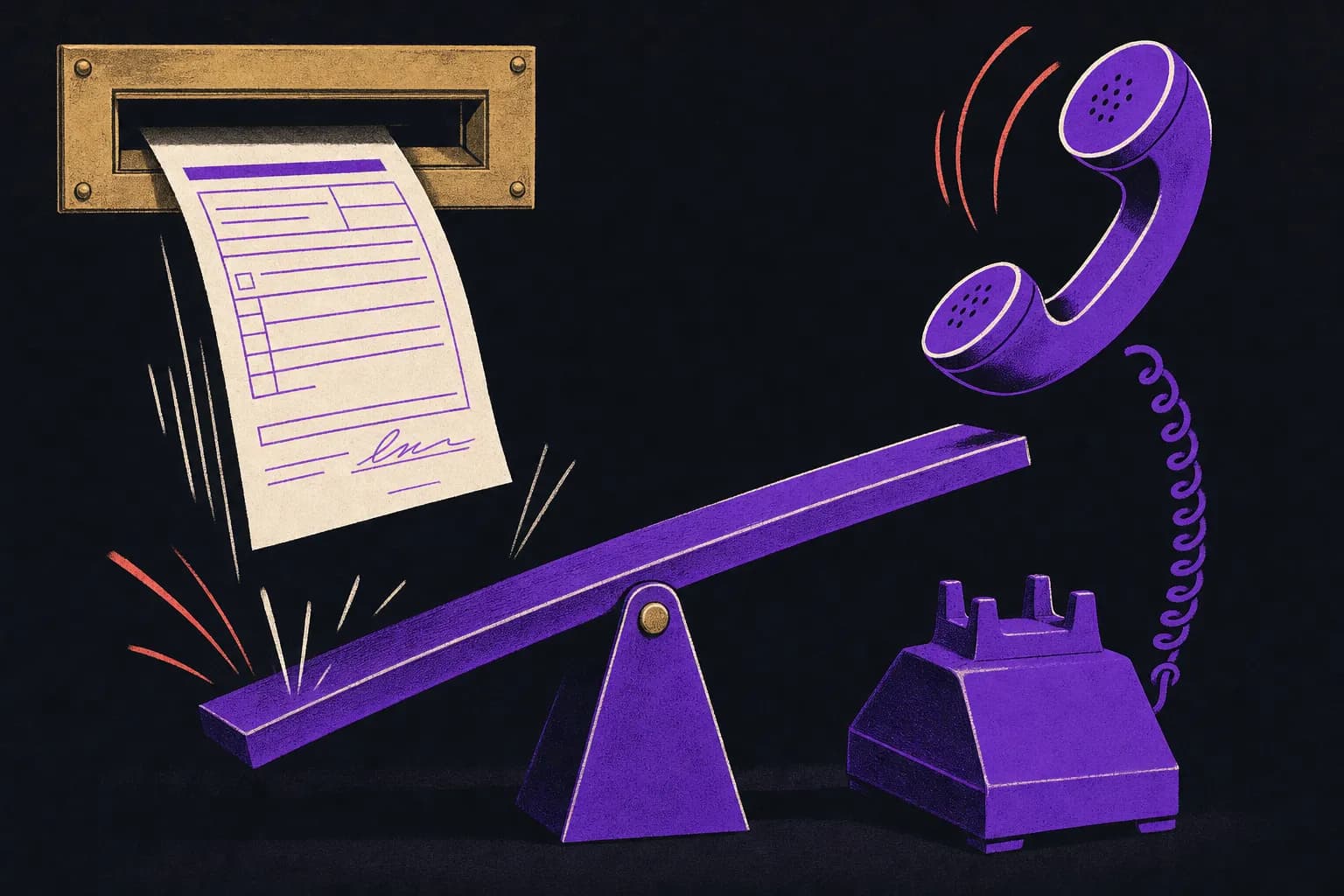
The case for working the database first is arithmetic. A dormant contact costs nothing new to reach; you already paid for it in ad spend, referral fees, or an open house Sunday. A new lead costs whatever your market charges this month and arrives knowing nothing about you.
| Dormant database contact | New purchased lead | |
|---|---|---|
| Cost to reach | Already paid; the campaign is the only new spend | Per-lead or referral fee at today's rates |
| What they know about you | Your name and some history | Nothing |
| Current intent | Unknown until requalified | Declared this week, and usually declared to more agents than you |
| Data quality | Stale; needs cleaning before use | Fresh but thin |
The honest half of that comparison is the intent column. Most dormant contacts are out of the market this quarter, and no message changes that. What reactivation does is find the fraction whose timing has turned, at a cost per conversation new-lead spend can't approach, among people who already know your name.
They rarely leave the market for good, either. In NAR's 2025 Profile of Home Buyers and Sellers, 88% of buyers and 91% of sellers transacted through an agent. The portal lead who ghosted you in 2023 most likely bought or sold anyway, with whoever was in front of them when the timing turned. Reactivation is how you arrange to be that person without paying for the lead twice.
Who belongs in the pool#
Segment by relationship and recency, and spend your effort unevenly.
Past clients and your sphere are the highest-value segment and the worst fit for automation-heavy tactics. These people know you, and a templated blast teaches them they are a list entry. They get the note on the anniversary of their closing, the annual offer to rerun the numbers on what their home is worth, the call when news hits their neighborhood. One genuine touch a year sustains the segment. The goal is to be the agent they remember at the moment a move becomes thinkable, and NAR's numbers above say that moment arrives for most of them eventually.
Old online and portal leads are the volume segment and the reason reactivation campaigns exist. Hundreds or thousands of records, thin relationships, decayed data. Nobody writes personal notes here. This is where a systematic real estate lead reactivation campaign earns its keep: clean the data, segment by last known intent, and run the sequence below.
Open house sign-ins and expired inquiries ride along with the portal-lead segment. Treat an expired inquiry as a seller-intent record and a sign-in sheet as buyer intent, and let requalification sort out how much of either survives.

The campaign, step by step#
1. Clean before you send anything. Dedupe, fix mangled first names, verify email deliverability, and scrub the pool against the Do Not Call Registry and your own opt-out list. A reactivation message that opens with a broken merge field confirms every reason the contact had for ignoring you. This step is tedious and it decides the campaign.
2. Segment by recency and last known intent. Buyer or seller, and how long dark: under six months, six to eighteen, older than that. The recent segment gets the most direct ask because the context is still warm. The oldest segment gets the softest one, because to them you are close to a stranger with history.
3. Lead with a reason. "Just checking in" gives a dormant contact nothing to answer. Anchor the message in something that changed: rates, or inventory in the zip they searched, or what their home is worth now against what they paid. Two examples that carry their own reason:
- To an old buyer lead: "Hi Dana, you were looking at homes in Maple Grove with me back in the spring. Inventory there looks different this fall, and two listings are sitting under your old price range. Worth a fresh look?"
- To a past client: "Hi Marcus, it's been three years since you closed on Alder Street. Prices in the neighborhood have moved since then. Want me to run an updated value estimate? No strings on it."
4. Sequence the channels as a filter. Email goes first because it is cheap and sortable: opens, clicks, and replies tell you who is warm before anyone spends a minute dialing. Text follows for non-openers whose consent you can document. The phone converts, and it goes to everyone who engaged plus the records too valuable to write off on email silence alone. Most published advice on this topic is email-first end to end; run email as a sorting mechanism and nothing more, because the pool you are working is, by definition, people your emails already lost.
5. Treat re-engagement like a fresh inquiry, and requalify before you route. A reply from a dormant contact restarts the speed-to-lead clock: HBR's lead-response research found roughly a sevenfold qualification advantage for firms that made contact inside the first hour. And a reply is a pulse, never a diagnosis. The budget, timeline, and mortgage picture from 2023 are gone, so run responders through the same screen as new inquiries; our real estate lead qualification guide covers the questions and the routing. Every conversation ends sorted: appointment, nurture with a date on it, or out of the pool.
Put the database back to work
Connect your CRM or upload the dormant segment as a CSV, and Rezora IO starts calling it the same day: requalifying old leads, catching the ones whose timing turned, and booking them onto your calendar. Book a demo and listen to it work a three-year-old lead.
Book a demoHow to tell whether it paid#
Measure in three layers, cheapest first.
Hygiene numbers come free with the send: delivery rate, bounces, opt-outs. They say nothing about success, only whether the list was clean enough to justify the attempt.
Conversation numbers are where the campaign becomes visible: contact rate on the phone pass, replies by segment, and how many records were requalified in either direction. A confirmed "we bought last year, take me off the list" is a win too; it converts a dead record into a smaller, truthful database.
Outcome numbers decide whether you run it again: appointments booked, agreements signed, and cost per booked appointment, which is total campaign cost with labor included, divided by appointments. No audited industry benchmark exists for reactivation response rates, and vendor claims vary too widely to borrow, so build your baseline on the first pass and beat it on the second. The deeper measurement treatment, connect rates and payback math included, is in our AI outbound calling guide.
Consent ages with the data#
The riskiest version of reactivation is the enthusiastic one: blasting texts and automated calls at every number the CRM has collected since 2019. Consent from an old inquiry can be revoked, and it does not follow a phone number to whoever owns it next. The TCPA bars autodialed, prerecorded, and AI-generated voice calls to cell phones unless the person gave prior express consent, and it carries statutory damages per call. A number on the Do Not Call Registry needs scrubbing before telemarketing outreach no matter how it entered your CRM.
None of that forbids the campaign. It sets the order of operations: scrub first, keep records of where each contact and their consent came from, and honor a revocation the day it arrives. The cleaning pass in step one and the compliance pass are the same pass.
Rezora IO point of view
Reactivation compliance fails on memory, and memory is what software is for. Consent records, DNC status, and opt-outs belong in the system that places the calls, checked before every campaign, so the decision to skip a number never depends on anyone remembering why.
Reactivation is a calling job nobody staffs#
Every plan above survives until step four. Sorting and sending scale fine with ordinary tools; the phone pass does not. A 2,000-record pool at three attempts per record is a month of full-time dialing that produces mostly voicemails, and it competes for the same hours as today's new leads. That contest has a permanent winner, which is how the database went dormant in the first place.
This is the layer Rezora IO holds. It works lists and past databases directly: import the dormant segment as a CSV or sync it from Follow Up Boss, Lofty, HubSpot, or GoHighLevel, and the agent calls through the pool asking what matters for old leads. Still in the market? Bought or sold since? What changed? No-answers move onto a multi-day retry cadence with voicemail detection. The consent section above is wired in, too: DNC status lives on the contact record, no list campaign launches until you attest to where the contacts and their consent came from, and every call opens with the AI disclosure, so the guardrails run in the product rather than on a checklist.
Conversations come back as transcripts, summaries, and dispositions written to the CRM, so the pool sorts itself into the buckets from step five. When a revived lead is ready to meet, the appointment lands on your calendar through Cal.com's connected scheduling.
It sounds like someone who has worked real estate phones because that is what it learned from. Rezora IO trains its own hosted models on recorded sales conversations, supervised fine-tuning first and preference optimization after, instead of prompting a generic model and hoping. Call templates for buyer, seller, FSBO, and sphere-of-influence outreach ship with objection handling in place, so there are no prompts to write and nothing to build.
Pricing is one plan at $289 per month plus 20 cents per conversational minute, billed only while the AI is talking with someone, and enterprise plans custom-train on a brokerage's own call recordings. For a dormant pool the test is cheap to run: pick one segment, count booked appointments, divide.
FAQ#
What is database reactivation in real estate?#
The organized re-engagement of contacts already in your CRM: old portal leads, past clients, expired inquiries, and sphere contacts who went dark. The campaign cleans and segments the pool, reaches out with a current reason to talk, requalifies responders, and books appointments with the ones whose timing has turned.
How long should a lead sit before reactivation?#
Ninety days of silence is a workable line for online leads; anything fresher still belongs to your regular follow-up cadence. Past clients run on an annual rhythm rather than a dormancy trigger: one genuine market or equity touch a year keeps that segment from ever needing reactivation at all.
What response rate should I expect?#
Nobody publishes an audited benchmark, and vendor claims range too widely to plan around. Set expectations with arithmetic: even a low single-digit response from a large pool of already-paid-for contacts can beat portal economics. Track cost per booked appointment on your first pass and treat it as the number to beat.
Is it legal to call or text old leads?#
Often yes, and the conditions are specific. Old inquiry consent can be revoked and does not transfer to a number's next owner, DNC-registered numbers must be scrubbed before telemarketing outreach, and the TCPA's restrictions on autodialed and AI-voice calls apply regardless of how a number entered your CRM. Clean and document first, then call.
Can AI handle database reactivation?#
The volume layer, yes. An AI voice agent can call an entire dormant pool, requalify responders, and book the appointments, which is precisely the work that never gets staffed. Keep past clients and your sphere on a personal touch; the relationship is the asset there, and handing it to automation, ours included, spends it.